
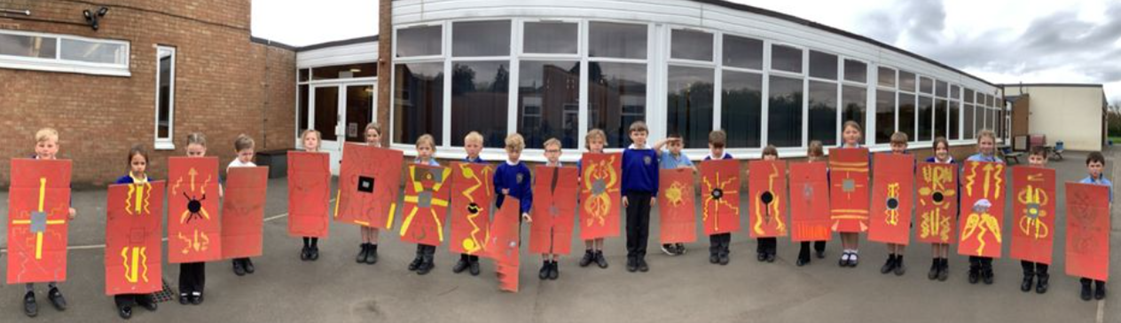
The children in Year 3 have thoroughly enjoyed their recent history topic on the Romans, showing great enthusiasm and curiosity as they explored why the Romans chose to settle in Britain. They learned about the many advantages Britain offered, including its natural resources, fertile land, and strategic location within the wider Roman Empire.
As part of their learning, the children delved into daily Roman life, with a particular focus on the Roman army and its importance in expanding and maintaining the empire. They were fascinated to discover how the army was organised, how soldiers were trained, and the ways in which discipline and teamwork contributed to its growing strength and success.
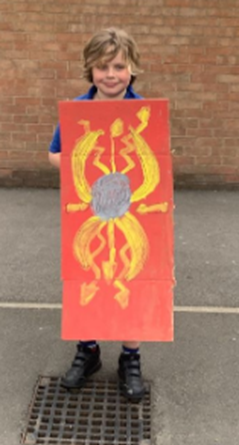
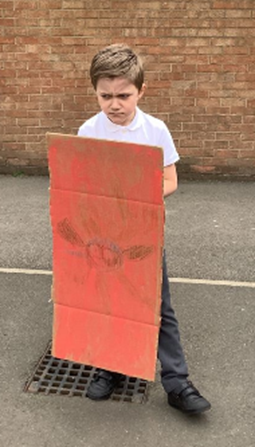
To bring their learning to life, the children took part in a hands-on activity where they designed and created their own Roman shields. They carefully considered patterns, colours, and symbols, just like real Roman soldiers would have done. The highlight of the topic was practising famous Roman army formations, where the children worked together to recreate techniques such as the testudo (tortoise) formation. This gave them a real sense of how cooperation and strategy were vital in battle.
Maths
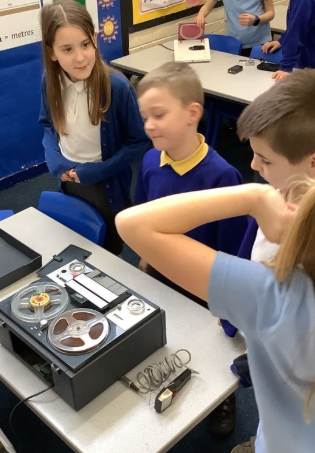
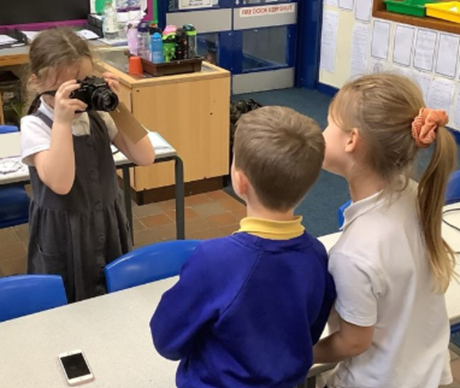
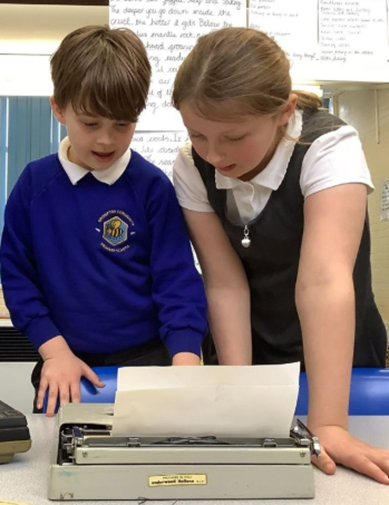
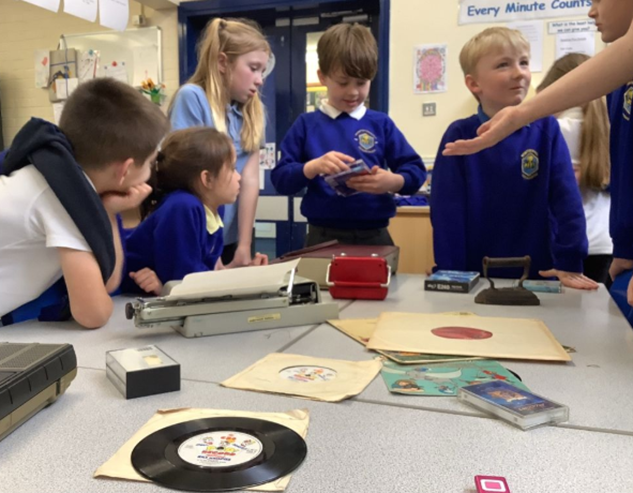
Pupils thoroughly enjoyed taking part in our exciting Technology Museum experience, where they explored and shared a wide range of technology from different generations. The classroom was transformed into an interactive exhibition space, allowing children to step back in time and discover how everyday devices have changed over the years.
Throughout the activity, pupils had the opportunity to handle and investigate a variety of technological items, from older household gadgets to early computing devices. They were fascinated by how technology has evolved, noticing differences in size, design, and functionality. Many were surprised at how limited some older devices were compared to the fast, multi-functional technology they are used to today.
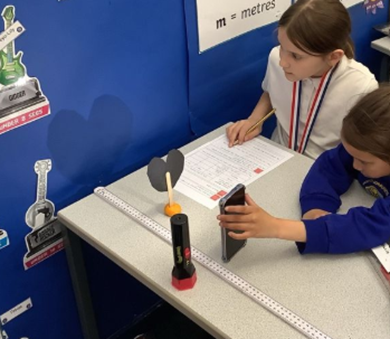
Year 3 Pupils recently completed their topic on light and shadows, finishing with a series of engaging, hands-on investigations. They explored how shadows are formed and changed, carefully measuring the size of shadows at different distances and positions. Through these practical activities, pupils developed their scientific enquiry skills, making predictions, recording results, and drawing conclusions about how light behaves.
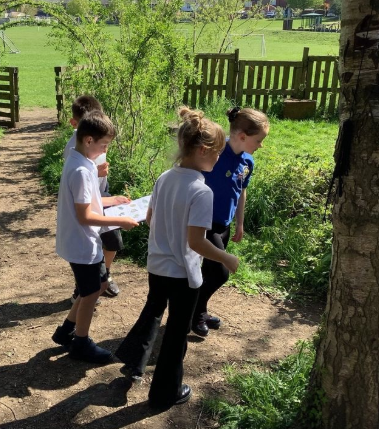
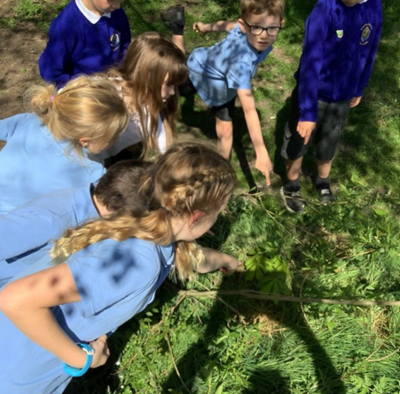
Building on this enthusiasm for science, we have now moved on to our new topic on plants. To launch the unit, pupils took their learning outdoors, making the most of our school environment to investigate the variety of trees on site. They closely observed features such as leaves, bark, and overall shape, beginning to identify similarities and differences between species.
It was fantastic to see how confidently the children applied their outdoor learning skills during this session. They worked collaboratively, showed curiosity in their observations, and demonstrated respect for the natural environment. This outdoor start to the topic has sparked great interest, and we are looking forward to continuing our exploration of how plants grow, survive, and thrive.